The agricultural landscape is undergoing a dramatic transformation with the advent of vertical farming technology. This innovative approach to farming is not only reshaping how we grow food but also addressing some of the most pressing challenges in modern agriculture, such as urbanization, climate change, and food security. By utilizing vertical spaces and advanced technologies, vertical farming promises to deliver fresh produce while minimizing environmental impact.
Understanding Vertical Farming
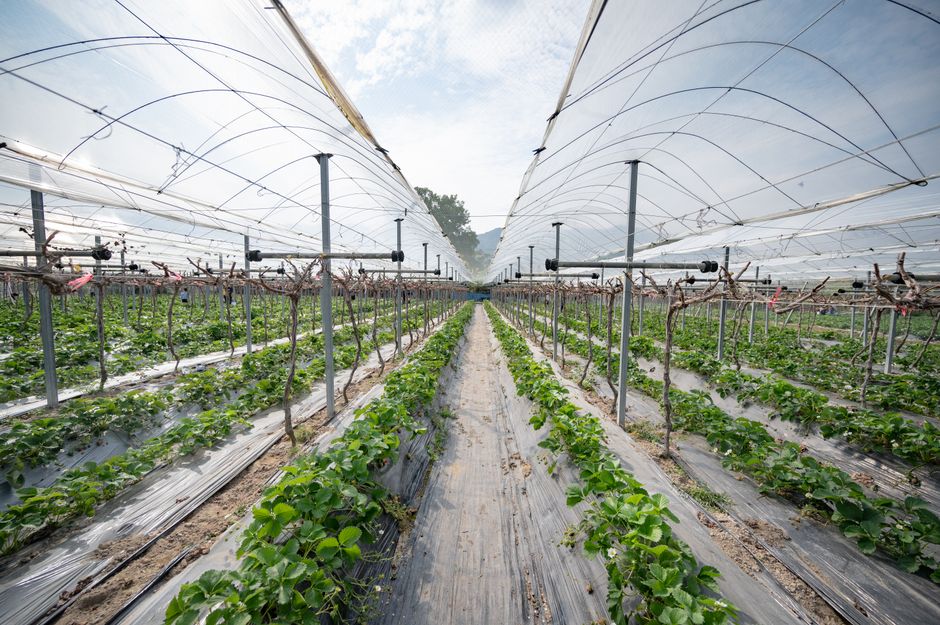
Vertical farming, at its core, involves growing crops in vertically stacked layers, which can be integrated into structures like skyscrapers, shipping containers, or repurposed warehouses. This method employs controlled-environment agriculture (CEA) technology, where climate is regulated to optimize plant growth. By controlling factors such as light, temperature, and humidity, vertical farms can produce food year-round, independent of external weather conditions.
A key component of vertical farming is the use of hydroponics or aeroponics, which allows plants to grow without soil. Hydroponics uses nutrient-rich water solutions, while aeroponics delivers nutrients through mist. These systems drastically reduce water usage—up to 90% less than traditional farming methods—and eliminate the need for pesticides, resulting in cleaner, healthier produce.
The Benefits of Vertical Farming Technology
One of the most significant advantages of vertical farming technology is its ability to produce food in urban areas, reducing the carbon footprint associated with transporting food from rural farms to city dwellers. For instance, a vertical farm located within a city can supply fresh greens to local markets, significantly cutting down on transportation emissions. Furthermore, vertical farms can operate on a smaller footprint than traditional farms, making them ideal for densely populated urban environments.
Additionally, vertical farming contributes to food security by providing a reliable source of fresh produce regardless of seasonal changes. In regions affected by climate change, where droughts and floods can devastate traditional crops, vertical farms offer a sustainable alternative that can withstand such challenges. Moreover, the controlled environment reduces the risk of crop failures due to pests and diseases, ensuring a steady supply of food.
Technological Innovations Driving Vertical Farming
Technological advancements play a crucial role in the success of vertical farming. One such innovation is LED lighting, which provides the specific wavelengths of light that plants need for photosynthesis. These energy-efficient lights can be programmed to simulate natural sunlight cycles, optimizing plant growth and enhancing yields. Research has shown that certain LED spectra can increase crop production by up to 30% compared to conventional lighting.
Moreover, automation and artificial intelligence (AI) are transforming how vertical farms operate. Sensors monitor plant health, nutrient levels, and environmental conditions, allowing for real-time adjustments to optimize growth. AI algorithms can analyze data to predict the best planting schedules and crop rotation strategies, maximizing efficiency and yields. This data-driven approach ensures that vertical farms can produce high-quality crops consistently.
Challenges and Future Prospects
Despite its many advantages, vertical farming technology faces several challenges. High initial setup costs and ongoing operational expenses can deter potential investors and entrepreneurs. However, as technology advances and becomes more affordable, these barriers are expected to decrease. Moreover, scaling up vertical farming operations will require significant investment in research and development to improve systems and reduce costs further.
Another challenge is consumer acceptance. While many urban dwellers appreciate the benefits of locally grown produce, there may be skepticism about the taste and quality of food grown in controlled environments. Educating consumers about the nutritional value and safety of vertical farmed produce will be essential in overcoming these perceptions.
Conclusion: A Sustainable Future for Agriculture
Vertical farming technology represents a promising solution to some of the most pressing issues facing our food systems today. As urban populations continue to grow and climate change poses further threats to traditional agriculture, the need for innovative farming techniques will only intensify. By harnessing the power of technology and sustainable practices, vertical farming has the potential to revolutionize how we produce and consume food. As more cities invest in this technology, we can look forward to a future where fresh, nutritious food is accessible to all, regardless of geographic limitations. With advancements in vertical farming technology, we stand on the brink of a new era in agriculture.