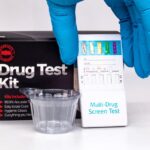

In today’s fast-paced world, ensuring workplace safety and compliance with regulations has become paramount for businesses across various industries. One crucial aspect of this is the implementation of drug testing services. Employers are increasingly turning to these services not only to maintain a safe work environment but also to protect their brand image and reduce liability. This article delves into the essentials of drug testing services, including their importance, types, processes, and the legal implications involved.
The Importance of Drug Testing Services
Drug testing services play a vital role in promoting safety and productivity in the workplace. Statistics reveal that drug and alcohol abuse can significantly impact employee performance, leading to increased absenteeism, accidents, and even fatalities. According to the National Safety Council, employers can face costs of up to $16,000 per employee annually due to substance abuse-related issues. By implementing drug testing, companies can deter substance use, leading to a healthier workforce and a more productive environment.
Furthermore, drug testing services are essential for compliance with various regulations in specific industries. For example, transportation and healthcare sectors have stringent guidelines regarding employee substance use. Failing to comply with these regulations can result in hefty fines and penalties, making it crucial for employers to incorporate drug testing into their operational protocols.
Types of Drug Testing Services
There are several types of drug testing services available, each catering to different needs and circumstances. The most common types include:
- Urine Testing: This is the most widely used method due to its cost-effectiveness and reliability. Urine tests can detect a range of substances, including marijuana, cocaine, and opiates.
- Saliva Testing: Increasingly popular for its non-invasive nature, saliva tests are often used for on-site testing. They provide immediate results, making them ideal for random testing and post-accident scenarios.
- Hair Testing: This method can detect drug use over a more extended period, typically up to 90 days. Hair testing is often used for pre-employment screening and can provide a comprehensive view of an individual’s drug use history.
- Blood Testing: Although less common due to its invasive nature, blood testing is highly accurate and can detect substances currently in the bloodstream. It’s often used in medical settings or for legal purposes.
Each testing type has its advantages and limitations, and employers should choose based on their specific needs, budget, and compliance requirements.
The Drug Testing Process
The drug testing process typically involves several key steps to ensure accuracy, confidentiality, and compliance. These steps include:
- **Planning and Policy Development:** Employers should establish a clear drug testing policy that outlines the rationale, procedures, and consequences for testing positive.
- **Collection:** Depending on the testing method, a trained professional conducts the collection process. For urine tests, this may occur at a designated facility or on-site. For saliva tests, employees can often self-administer.
- **Laboratory Analysis:** Samples are sent to certified laboratories for analysis. This step is crucial for ensuring that results are accurate and reliable.
- **Review and Reporting:** Once results are available, they are reviewed by a Medical Review Officer (MRO) who ensures that any positive results are verified before being reported to the employer.
- **Follow-up:** Employers should establish a follow-up process for employees who test positive, including rehabilitation programs and re-testing protocols.
Employers can enhance the effectiveness of their drug testing services by fostering a culture of safety and support, rather than punishment. This approach not only aids in compliance but also contributes to employee well-being.
Legal Implications of Drug Testing
Implementing drug testing services comes with legal responsibilities that employers must navigate carefully. The legality of drug testing varies by state and industry, and employers must adhere to federal laws such as the Drug-Free Workplace Act, which mandates drug testing in certain sectors.
Additionally, employers must ensure that their drug testing policies comply with privacy laws. For instance, the Americans with Disabilities Act (ADA) prohibits discrimination against employees based on disabilities, which can include substance abuse disorders. Thus, it’s essential for employers to handle test results confidentially and with sensitivity.
Employers should also be aware of the potential for litigation related to drug testing. Employees may challenge positive test results or claim discrimination based on testing policies. To mitigate these risks, it’s crucial to maintain clear documentation, follow established procedures, and communicate openly with employees about testing policies.
Choosing a Drug Testing Service Provider
When selecting a drug testing service provider, employers should consider several factors to ensure they choose a reliable and effective partner. Key considerations include:
- Accreditation: Ensure the provider is accredited by relevant bodies, such as the Substance Abuse and Mental Health Services Administration (SAMHSA) or the College of American Pathologists (CAP).
- Reputation: Research the provider’s reputation in the industry. Reviews and testimonials from other businesses can provide insight into their reliability and service quality.
- Range of Services: Look for providers that offer a comprehensive range of testing options and additional services, such as employee training and policy development.
- Technology: Consider whether the provider uses advanced technology for testing and reporting, which can enhance accuracy and efficiency.
By carefully vetting potential providers, employers can ensure they partner with a company that meets their specific needs and maintains the highest standards of quality and compliance. A reliable drug testing service can make all the difference in implementing an effective workplace safety program.
Conclusion
In conclusion, drug testing services are an essential component of creating a safe and productive workplace. By understanding the importance, types, processes, and legal implications of drug testing, employers can make informed decisions that not only comply with regulations but also promote the well-being of their employees. As the landscape of drug use continues to evolve, staying ahead of the curve with effective testing practices will be vital in maintaining a healthy and safe work environment.