
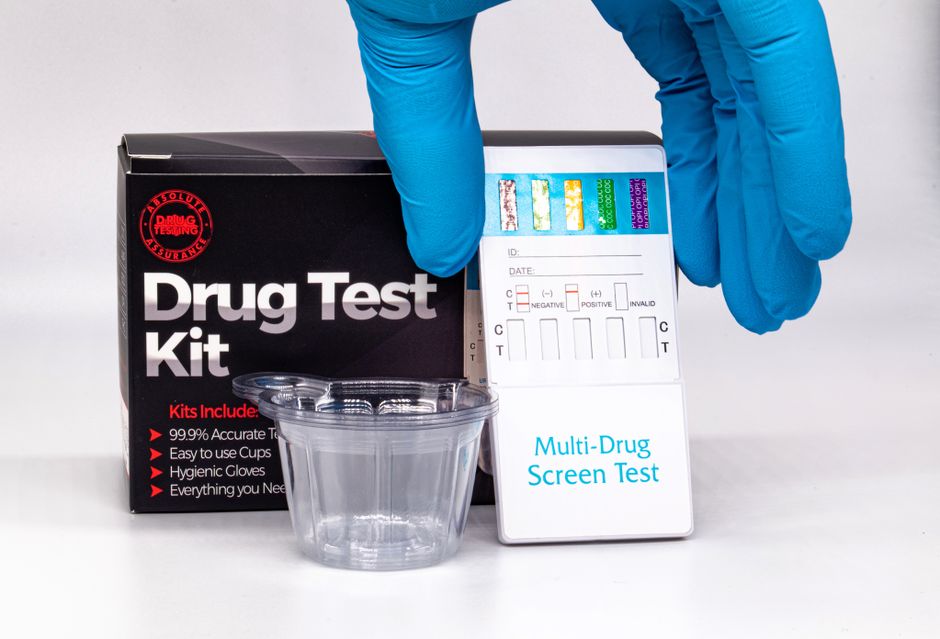
The increasing emphasis on maintaining a drug-free environment in workplaces and educational institutions has placed drug testing services at the forefront of organizational policies. With the rise of substance abuse issues, understanding the significance and implementation of these services becomes crucial for employers and administrators alike. This article will delve into the various aspects of drug testing services, their importance, methodologies, and the challenges faced in the implementation process.
The Importance of Drug Testing Services
Drug testing services play a vital role in ensuring the safety and productivity of workplaces. According to the National Council on Alcoholism and Drug Dependence, approximately 70% of substance abusers are employed, which highlights the necessity for organizations to establish drug testing protocols. By implementing these services, employers can mitigate risks associated with substance abuse, such as accidents, absenteeism, and decreased productivity.
Furthermore, drug testing can help in maintaining a positive workplace culture. Employees are likely to feel safer and more secure when they know that their peers are held accountable for their actions. This sense of security can enhance team cohesion and promote overall morale.
In addition to workplace safety, drug testing services are essential in educational institutions. Many schools and colleges have adopted drug testing policies to deter substance abuse among students, promoting a healthier learning environment. Studies have shown that random drug testing can lead to a significant decrease in drug use among students, ultimately contributing to better academic performance and personal development.
Types of Drug Testing Methods
Drug testing services can utilize various methodologies, each with its own advantages and limitations. The most common types of drug testing methods include urine tests, saliva tests, hair tests, and blood tests. Urine testing is the most frequently used method due to its cost-effectiveness and ease of administration.
Saliva tests have gained popularity in recent years, particularly for their ability to detect recent drug use. They are non-invasive and can be conducted on-site, making them a convenient option for employers. Hair tests, while more expensive, can detect drug use over a longer period, allowing for a comprehensive overview of an individual’s substance use history.
Blood tests are the most invasive but can provide the most accurate results regarding current impairment levels. Each method has its own detection window, which is crucial for employers to consider when designing their drug testing policies.
Implementing Drug Testing Services
Implementing drug testing services involves several steps to ensure compliance with legal standards and to maintain ethical considerations. Employers must develop a clear drug testing policy that outlines the purpose, procedure, and consequences of testing positive for drugs. This policy should be communicated effectively to all employees to ensure transparency and understanding.
Additionally, it is essential for employers to comply with the regulations set forth by the Drug-Free Workplace Act and the Americans with Disabilities Act. These regulations ensure that drug testing is conducted fairly and without discrimination. Employers should also consider providing support resources for employees struggling with substance abuse, fostering a culture of health and recovery rather than punishment.
To successfully implement drug testing services, organizations can collaborate with reputable providers. For instance, many companies turn to drug testing service providers who specialize in creating customized solutions tailored to their specific needs.
Challenges in Drug Testing Services
Despite the benefits of drug testing services, organizations may face several challenges during implementation. One significant challenge is the potential for legal issues, particularly regarding privacy concerns. Employees may feel that their privacy is being invaded, leading to resentment and distrust. To mitigate these concerns, employers must ensure that testing is conducted professionally and ethically.
Another challenge is the accuracy of testing methods. False positives can occur, leading to unnecessary disciplinary actions against employees. Employers should be prepared to conduct confirmatory testing and provide employees with the opportunity to appeal any positive results.
Finally, the changing landscape of drug use, particularly with the legalization of substances like marijuana in various states, presents additional challenges. Employers must stay informed about legal changes and adapt their policies accordingly to ensure compliance and effectiveness.
Conclusion
In conclusion, drug testing services are a vital component of maintaining a safe and productive environment in both workplaces and educational institutions. By understanding the importance of these services, the various testing methods available, and the challenges involved in implementation, organizations can create effective drug testing policies that promote accountability and support for employees. As the landscape of substance use continues to evolve, staying informed and adaptable will be key to the success of drug testing initiatives.